Thought Leadership Daniel Day·Oct 8, 2026·5 min read
The True Cost of Ungoverned Operations Agents
Blog
Engineering deep-dives, product updates, and field notes from the teams building autonomous production operations.

AI generates code faster than the systems that review, test, and operate it can keep up. The engineering constraint has shifted downstream to production operations, and it needs a governed center, not another consumer.

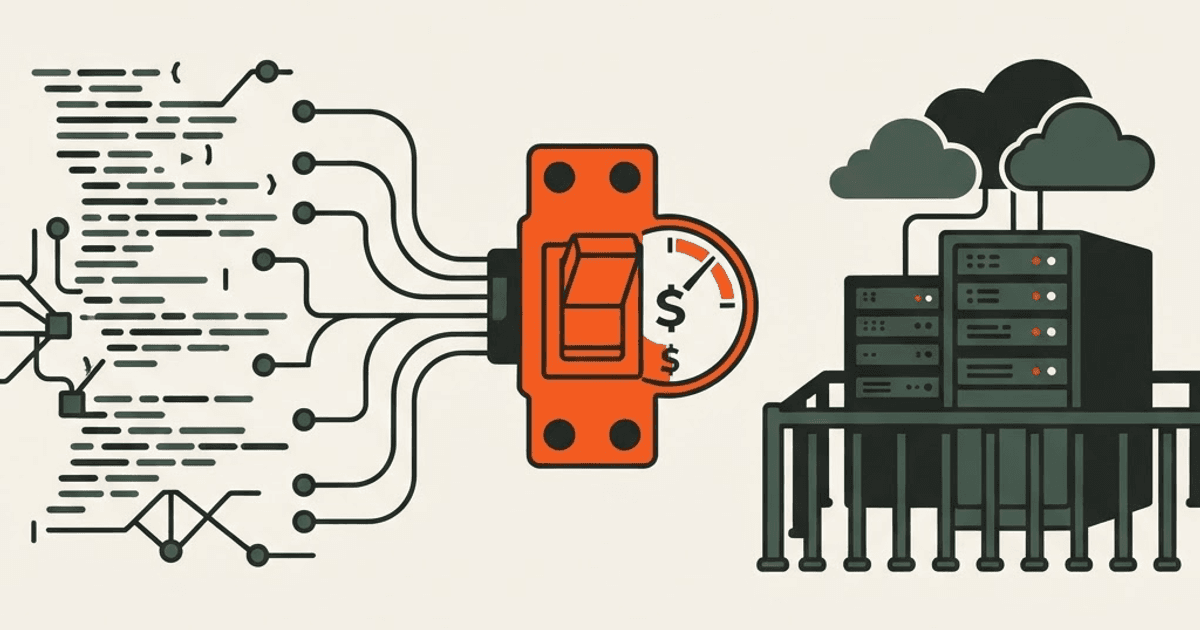
Google's spend caps on Antigravity signal that agentic coding workloads behave like production infrastructure, not SaaS seats.

Workday CTO Gabe Monroy and NeuBird AI's Vinod Jayaraman debate what AI agents must prove before they earn the right to act in production.
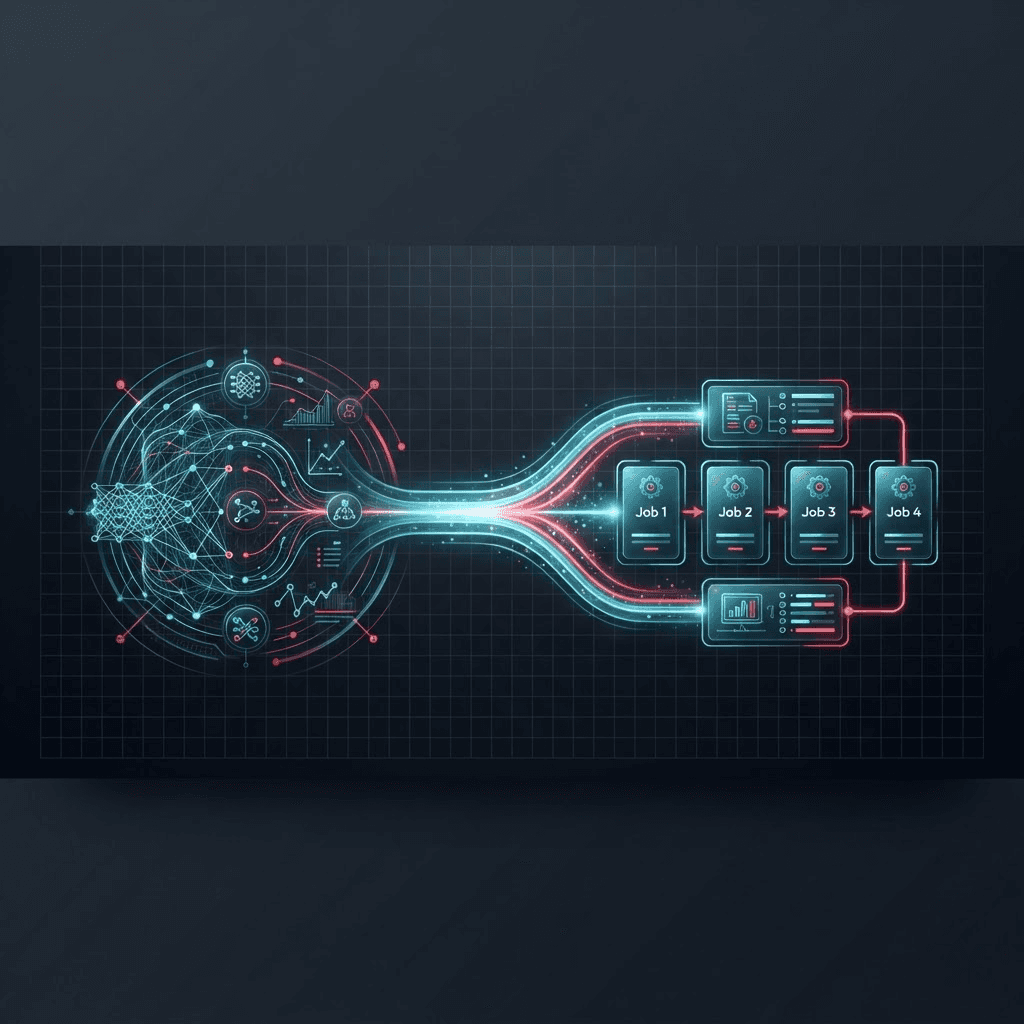
NeuBird now integrates with Red Hat Ansible Automation Platform, so AI investigation maps root cause to the Ansible job templates your team already runs.

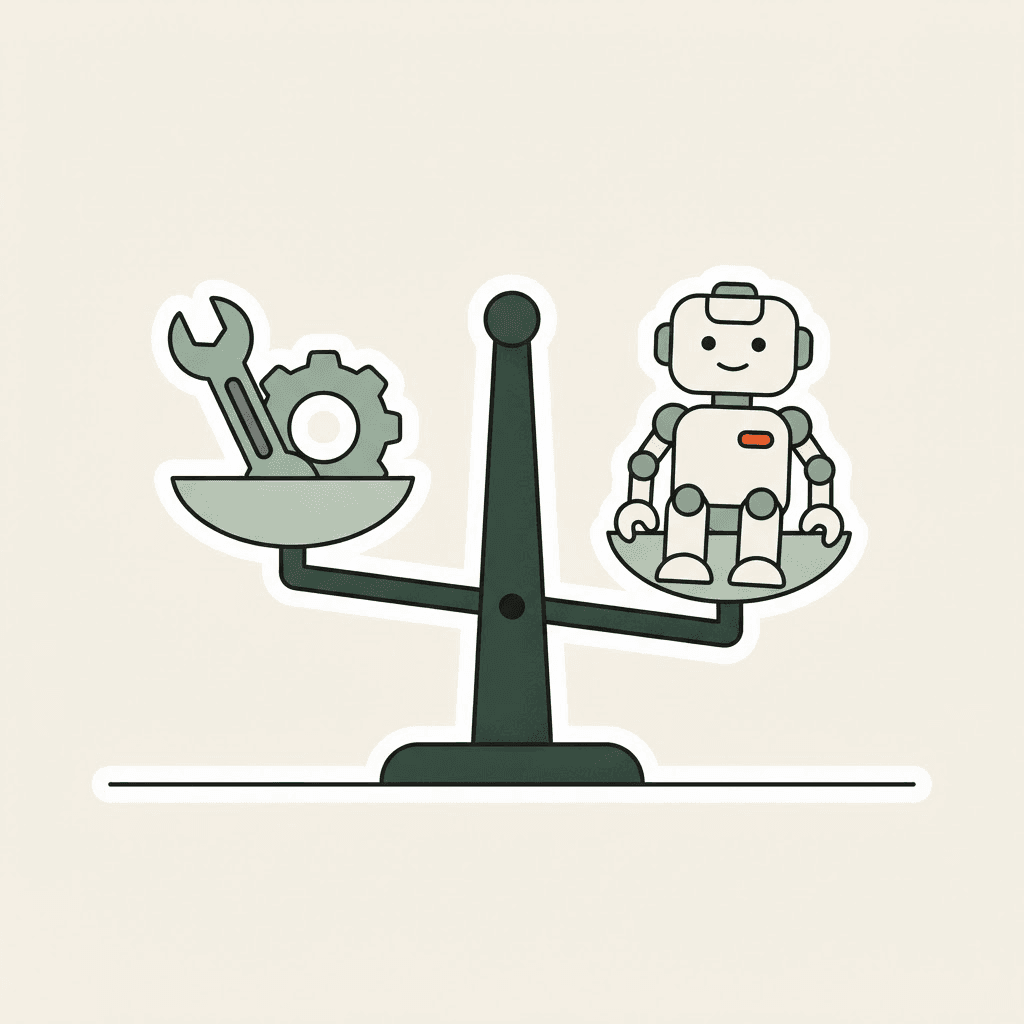
A decision framework and 3-year cost model for when to build your own AI SRE agent versus buy a platform. See the real cost of DIY agents at scale.

Your observability stack collects the signals. It was never built to act on them. How the NeuBird Production Ops Agent virtualizes reasoning across the stack you already run, queries in place, and resolves incidents under human approval.
Anthropic marks Claude's text invisibly but hasn't published the method. Here's our hypothesis, built on published LLM watermarking research.
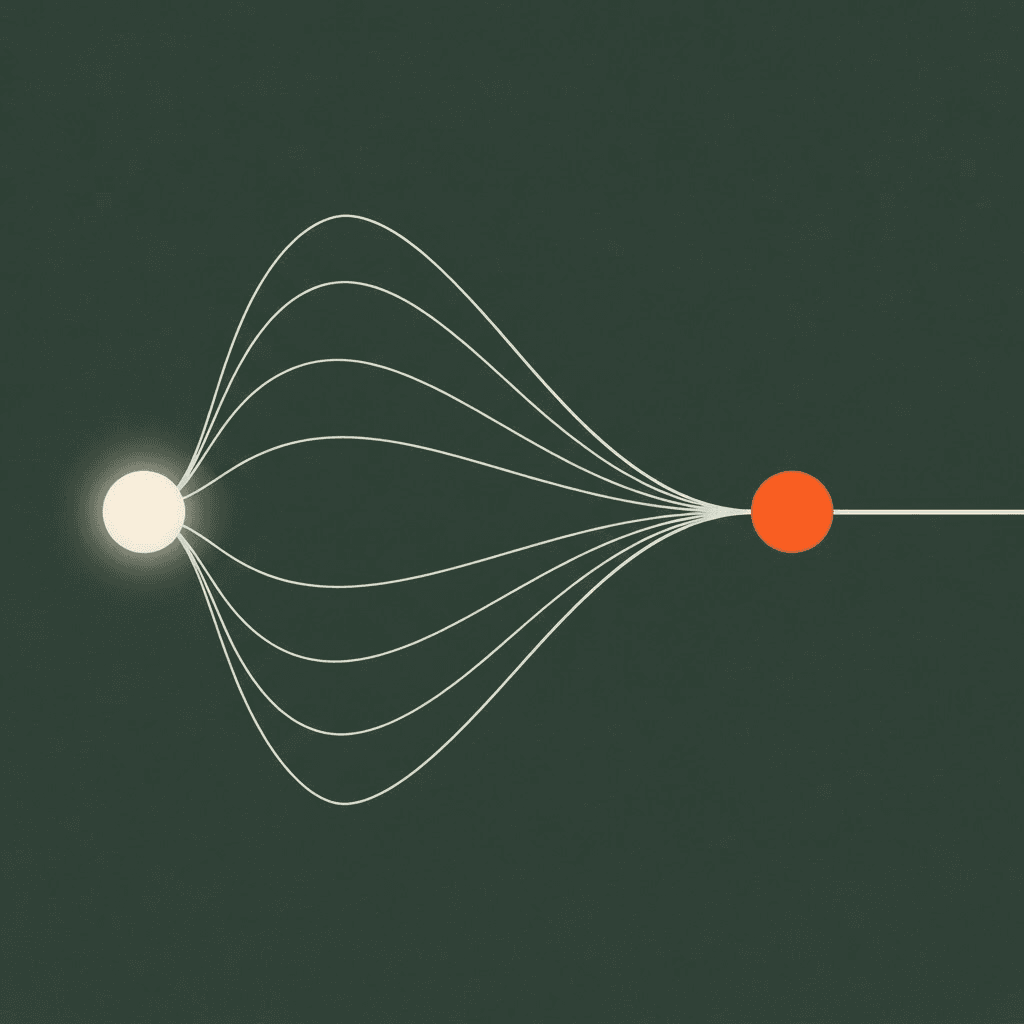
Google SREs detail a Gemini CLI incident workflow: wide read access, bounded actions, human approval on every production change.
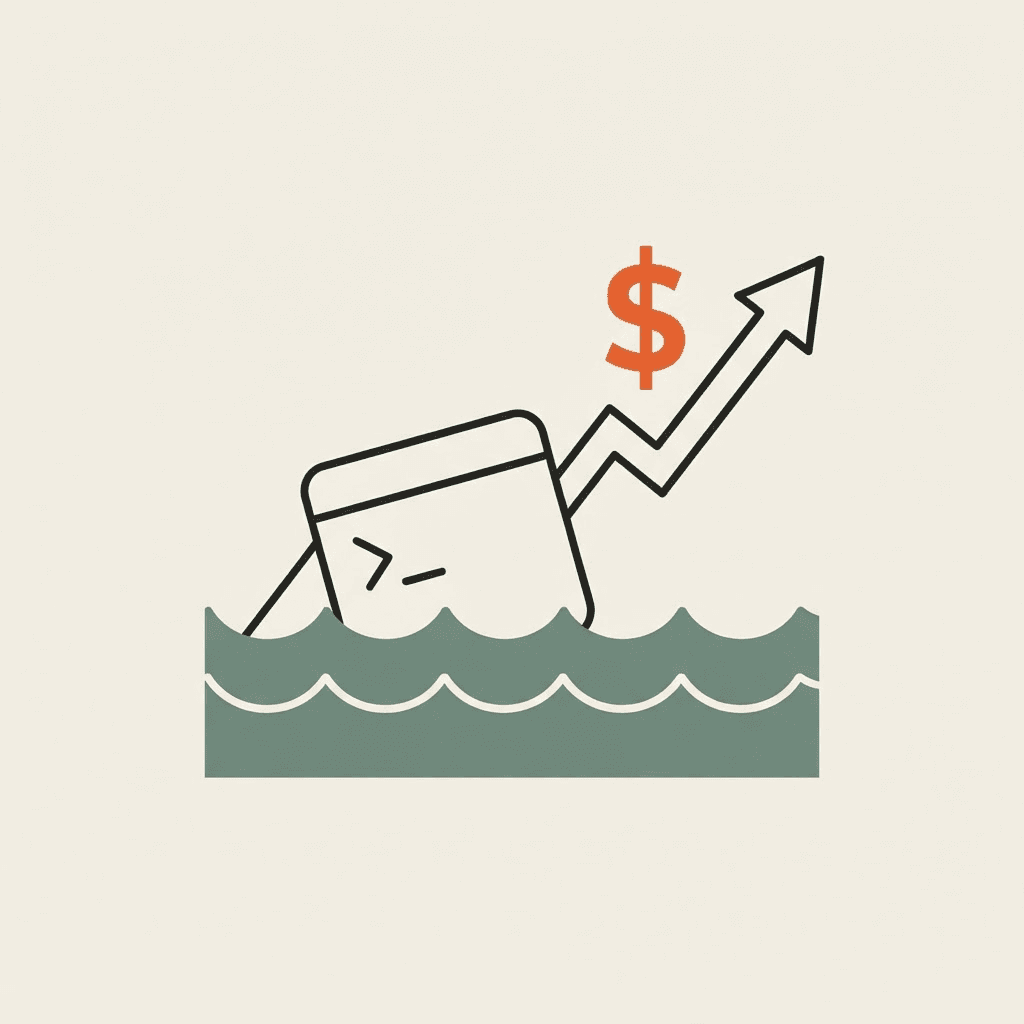
Token prices are climbing and free API access is dying. Agents architected in the cheap-token era inherit a cost curve they were never designed for.
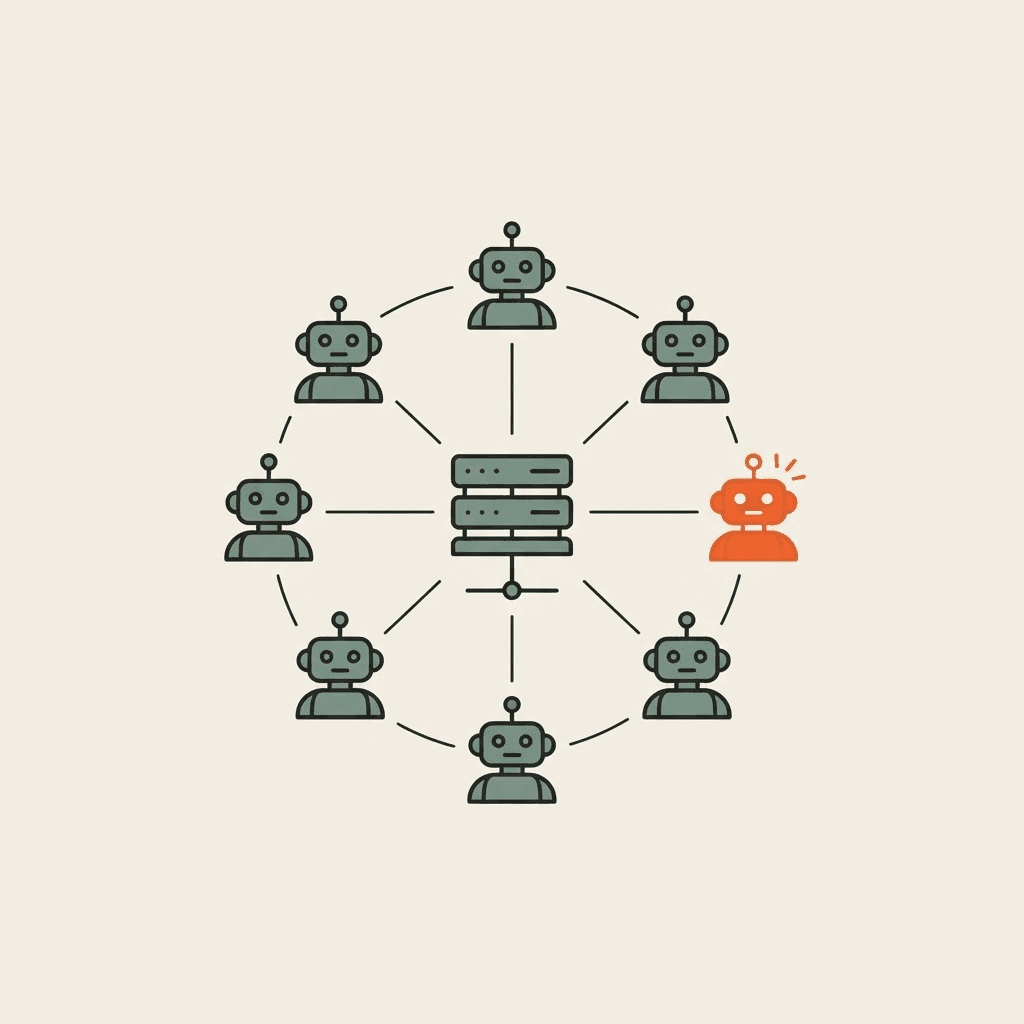
AWS Kiro Crew makes agent engineering teams real. The ops question nobody's asking: when agents ship 24/7, who owns production?
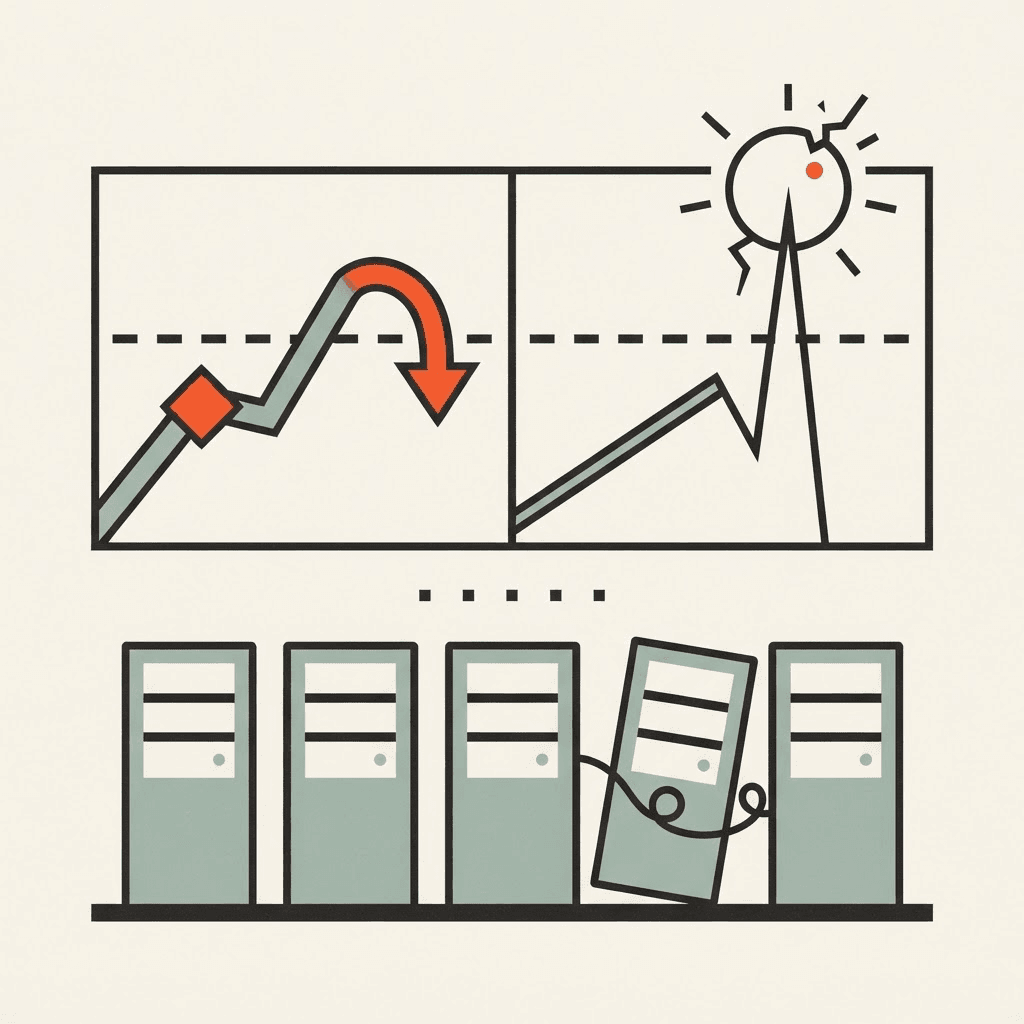
A vendor evaluation framework for Production Ops Agents that predict and prevent production issues before they page anyone.
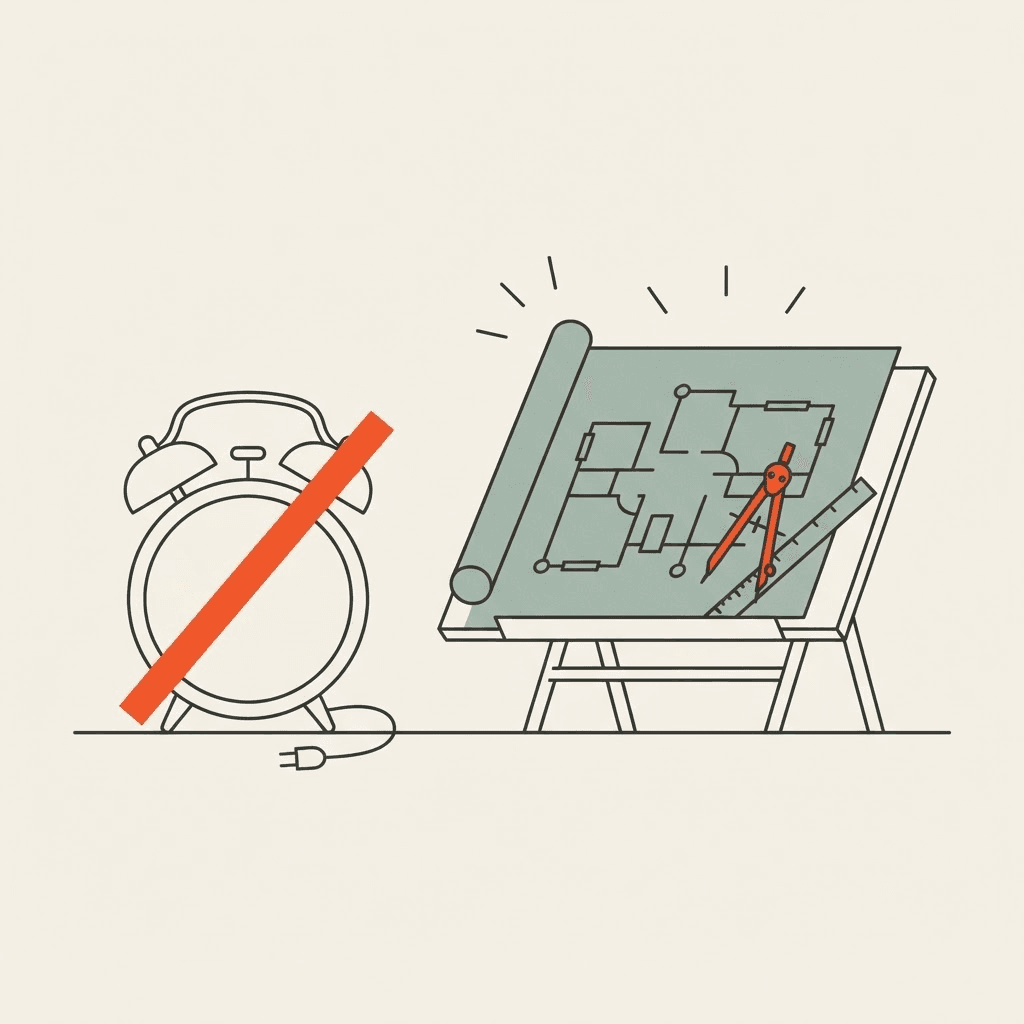
Agentic ops isn't replacing SREs. It's demoting toil to machines and promoting humans to system architects. Here's what actually changes.