The 3AM Page Is Dead: How Agentic Ops Is Rewriting the SRE Job
Agentic ops isn't replacing SREs. It's demoting toil to machines and promoting humans to system architects. Here's what actually changes.

The hottest argument in the SRE world right now is not whether AI is coming for the job. It is what the job becomes once agents can actually do the investigating. A recent InfoWorld analysis of how AI impacts site reliability engineering lands squarely on that question, and the honest answer is more interesting than the headline fear.
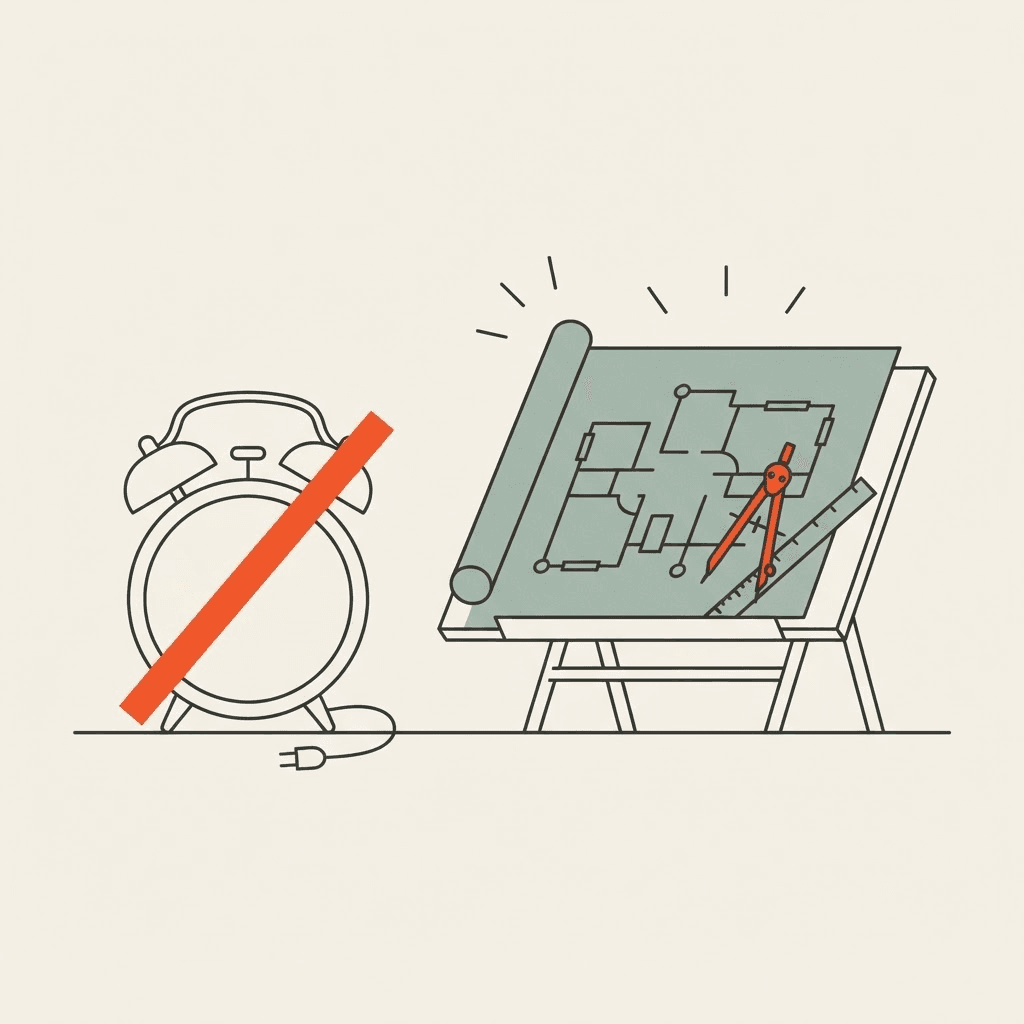
Here is the take, stated plainly: agentic ops is not a layoff. It is a promotion. The machines absorb toil. The humans move up to system architecture. The teams still defining their value as dashboard-babysitting are optimizing for a role that is quietly evaporating.
What actually happened
Two signals dropped in the same week, and together they tell one story.
First, Unisys reported that 75% of organizations now see agentic AI as essential to managing their growing cloud environments. The survey covered 1,000 senior IT and business decision-makers across the U.S., Europe, and Asia-Pacific. But only 23% have started scaling it across the business. The other 77% are still in early adoption. In the same report, 90% of respondents said they have the architecture for data-driven decisions, while their operational-efficiency performance fell from 80% to 65%.
That gap between belief and practice is the whole story. Production systems now generate more telemetry, more services, more dependencies, more AI-generated code, and more failure modes than any on-call engineer can correlate by hand. The architecture is there. The efficiency is slipping anyway. Something in the middle is broken, and it is the human bottleneck at the point of investigation.
Second, the InfoWorld piece synthesizes the human cost. More than 70% of alerts are non-actionable for 57% of organizations. And 44% of teams experienced an outage linked to an alert that was ignored or suppressed. Read those two numbers together. Teams drown the signal in noise, tune the noise out, and then miss the failure that mattered.
Why this matters if you run production
The operational bottleneck is moving. It used to sit at human investigation. It is moving to governed machine execution. That is a real change, and it reshapes what an SRE spends the day doing.
The human cost of the old model is concrete. NeuBird AI's current reliability research found that 78% of teams experienced an incident where no alert fired and a customer noticed first. It also found that 77% of on-call teams field at least ten alerts a day, and that most engineering teams spend at least 40% of their time on incident management instead of building product.
Gou Rao, Co-founder and CEO at NeuBird AI, frames where the discipline moves.
SRE and DevOps roles move upstream toward defining failure boundaries, setting observability standards, and deciding which actions agents may take autonomously versus where a human checkpoint is mandatory.
Gou Rao, Co-founder & CEO, NeuBird AI
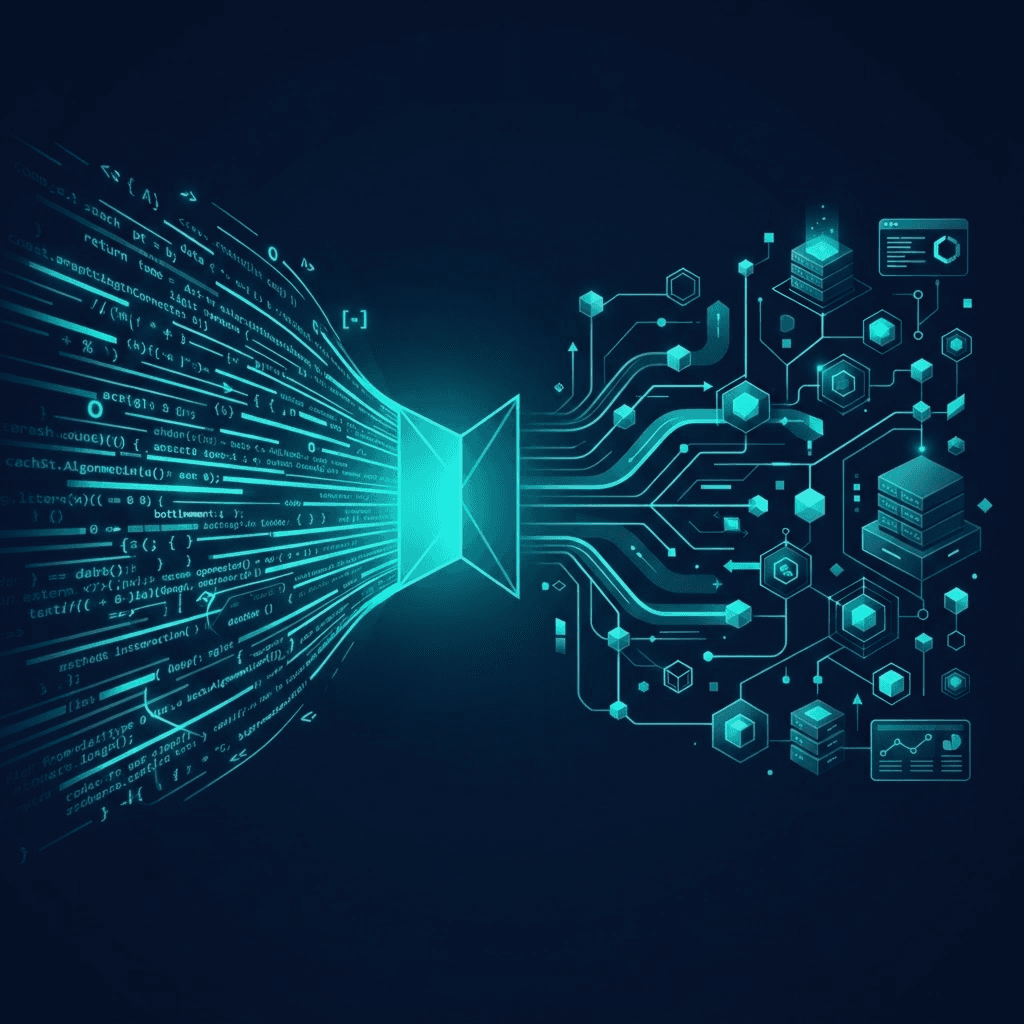
That is the new job description in one sentence. Agentic ops can correlate logs, metrics, traces, deploys, config changes, ownership, and dependencies. It can summarize the incident, identify likely causality, execute runbooks, and verify remediation. When the machine handles that, the human is free for the work that actually needs judgment: resilience design, capacity planning, failure analysis, chaos engineering, architecture, and reliability guardrails.
The expert voices in the InfoWorld piece line up with this. One CTO notes that AI reduces toil and lets SREs focus on resilience strategies. Another argues that AI can reason across more incident context than an engineer can hold at 3 a.m. A third points out that engineers will only trust these systems if they connect root-cause detection to recent changes and explain their reasoning. That last point is the load-bearing one. Trust is earned by showing the causal chain, not by asserting an answer.
If you want the fuller version of this argument, we have written about agentic AI in modern SRE ops, about the distinction between an AI SRE agent and a production ops agent, and about what agentic SRE looks like beyond VMware elsewhere.
The transition is not automatic
Here is where the confident take needs a hard qualifier. The credible near-term model is governed autonomy, not unattended autonomy.
The risks are real. AI-generated code is increasing both the volume and the risk of changes reaching production, which means more failure modes arriving faster. AI agents themselves can drift when model providers update them, and they may have opaque access to data and tools. Unisys is blunt that security, workload visibility, access controls, and governance remain the central constraints on scaling this.
So the large SEV-0 war room can shrink as agents handle triage, signal correlation, and root-cause analysis. But shrinking the war room does not remove human accountability for reliability. It relocates it. Someone still owns the error budgets, the observability quality, the safety boundaries, and the judgment call when a novel failure shows up that no runbook covers. That someone is the SRE, working at a higher altitude than before.
This is why human-in-the-loop guardrails and auditability matter as more than compliance theater. They are the mechanism that makes the promotion safe. The machine acts within boundaries a human defined, and every action leaves a trail a human can review.
The take
The headline is defensible if "dead" means one specific thing: the 3 a.m. page as the default operating model. That model, where a human is the first and only line of correlation, is ending. Good riddance.
What is not ending is human ownership of production reliability. It is moving up the stack. Machines get the toil: alert noise, evidence gathering, correlation, repeatable remediation. Humans get the work that pays off: architecture, error budgets, observability standards, safety boundaries, and judgment under failure nobody has seen before.
The teams that treat dashboard-babysitting as their core value proposition are defending the part of the job the machines are best at. The teams that treat themselves as system architects are defending the part the machines cannot touch. One of those bets ages well. The other does not.
Sources: Unisys - 90 Of Organizations Report Strong Ai And Cloud Foundations B · Neubird - Borrowed Resilience · Infoworld - How Ai Impacts Site Reliability Engineering · Aithority - Aithority Interview With Gou Rao Co Founder And Ceo At Neubi · Helpnetsecurity - Agentic Ai Cloud Operations Report