Azure SRE Agent Integration: AI SRE Agent Collaboration
NeuBird AI's Azure SRE Agent integration pairs two AI SRE agents for agent-to-agent incident response, cutting MTTR up to 90%. Explore the preview.


The NeuBird AI Azure SRE Agent integration pairs two AI SRE agents so they can diagnose and resolve incidents together across Azure, hybrid, and multi-cloud environments. This azure sre agent integration enables agent-to-agent workflows for enterprise IT operations, supporting near real-time incident diagnosis and faster resolution while maintaining enterprise-grade security. By automating incident diagnosis and root cause analysis, the integration helps joint customers improve system reliability and reclaim engineering time lost to troubleshooting.
Enterprise systems are more distributed, dynamic, and complex than ever, and traditional incident response hasn't kept up. Dashboards get noisier. Environments grow faster than teams. And even with better automation, engineers still spend hours stitching together clues across logs, metrics, services, and clouds. NeuBird AI's new integration with Microsoft Azure SRE Agent marks a major shift in how engineering and IT teams handle issues.
What is agent-to-agent collaboration?
Agent-to-agent collaboration is more than an integration; it's a new operating model. Instead of relying on dashboards and manual triage, specialized AI SRE agents can now coordinate across tools and environments, accelerating the entire incident lifecycle. In this model, NeuBird AI's Production Ops Agent works alongside Microsoft's Azure SRE Agent, each handling the parts of the incident it understands best.
Why does agent-to-agent collaboration matter?
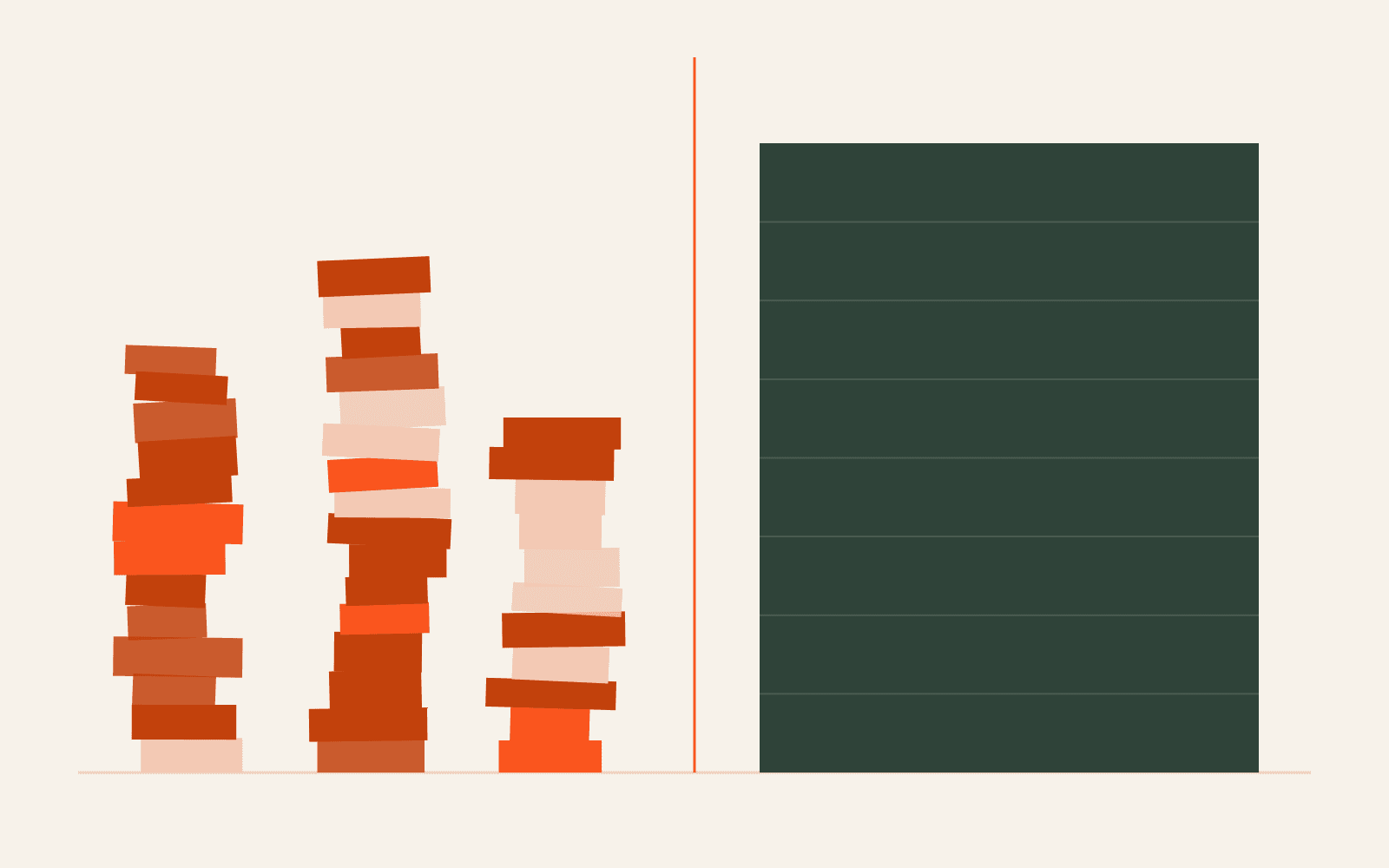
For joint customers, this collaboration can reduce mean time to resolution (MTTR) by up to 90%, even for complex, cross-cloud incidents. What used to take hours of manual triage now takes minutes. Engineers regain time and focus, and incident response becomes more predictable and far less stressful.
Just as importantly, this model meets teams where they already are. There are no new dashboards, no retraining, and no changes to existing workflows. NeuBird AI is SOC 2 Type II certified, and the integration respects governance, role-based access, and data boundaries. All telemetry stays inside the customer's security perimeter. The goal is to strengthen established practices, not replace them.
What the Azure SRE Agent integration means for IT teams
For Azure customers, the impact is straightforward:
- Reliability improves across Azure, hybrid, and multi-cloud environments
- Root causes surface faster
- Less alert overload for engineers
- Incidents are resolved in minutes instead of hours
- Engineers shift from firefighting to forward progress
The road ahead for AI SRE agents
The future of IT operations won't be driven by one all-purpose agent. It will be driven by specialized, cooperative AI SRE agents, each designed for a specific domain, working together much like high-performing engineering teams do today. The collaboration of NeuBird AI and Azure's SRE Agent is the first step toward that future.
Agent-to-agent collaboration is now in private preview. If you would like to explore it in your environment, you can sign up here: https://neubird.ai/neubird-x-microsoft-azure-ai-sre-private-preview/
Frequently asked questions
What is the NeuBird AI Azure SRE Agent integration?
It is an agent-to-agent integration that connects NeuBird AI's Production Ops Agent with Microsoft's Azure SRE Agent, so the two AI SRE agents can coordinate incident diagnosis and root cause analysis across Azure, hybrid, and multi-cloud environments.
How much can the integration reduce MTTR?
For joint customers, agent-to-agent collaboration can reduce mean time to resolution by up to 90%, turning incidents that once took hours of manual triage into ones resolved in minutes.
Is the Azure SRE Agent integration secure?
Yes. NeuBird AI is SOC 2 Type II certified, and the integration respects governance, role-based access, and data boundaries. All telemetry stays inside the customer's security perimeter.
How do I get access?
Agent-to-agent collaboration is currently in private preview. You can sign up for the private preview to explore it in your own environment.