Your Agent Investigated. Production Is Still Down.
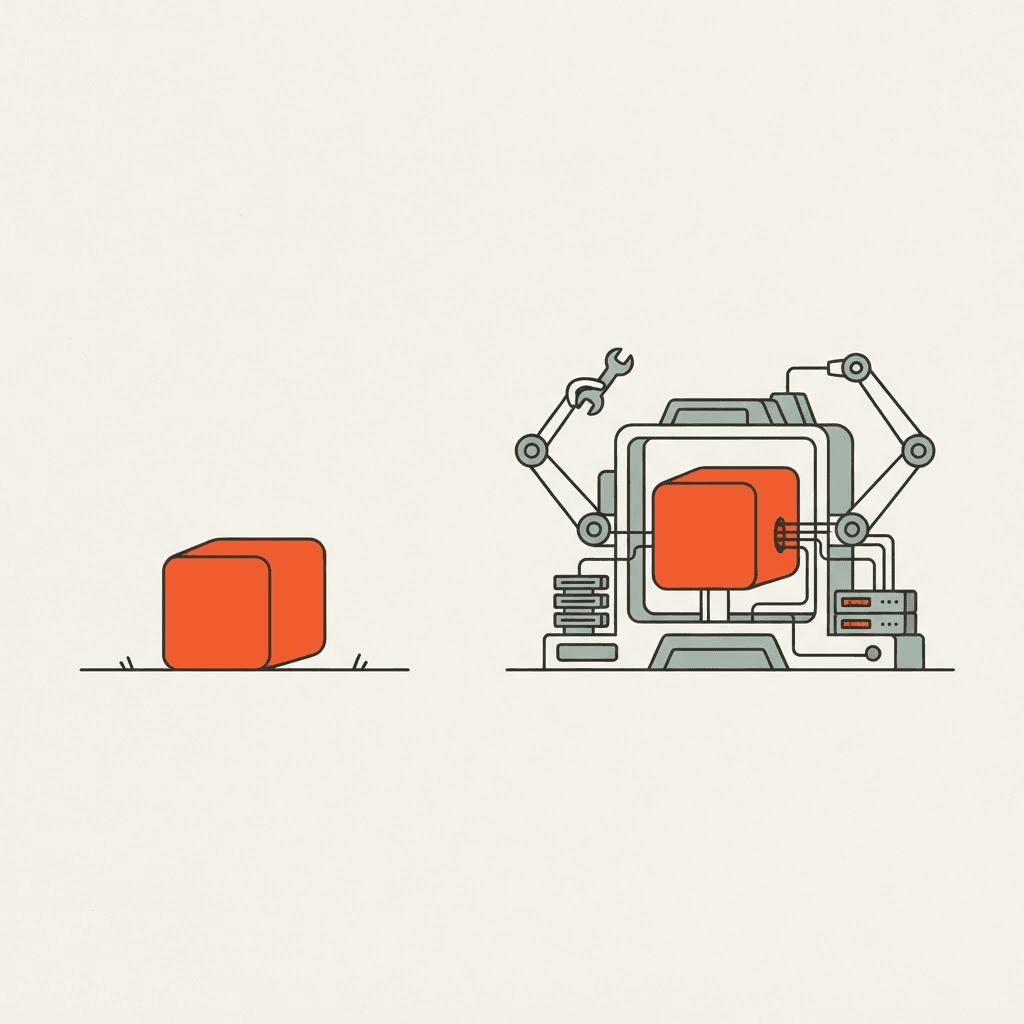
One-shot AI agents finish their task and stop. Production operations is a workflow. Here is how NeuBird AI's Production Ops Agent completes the whole job.
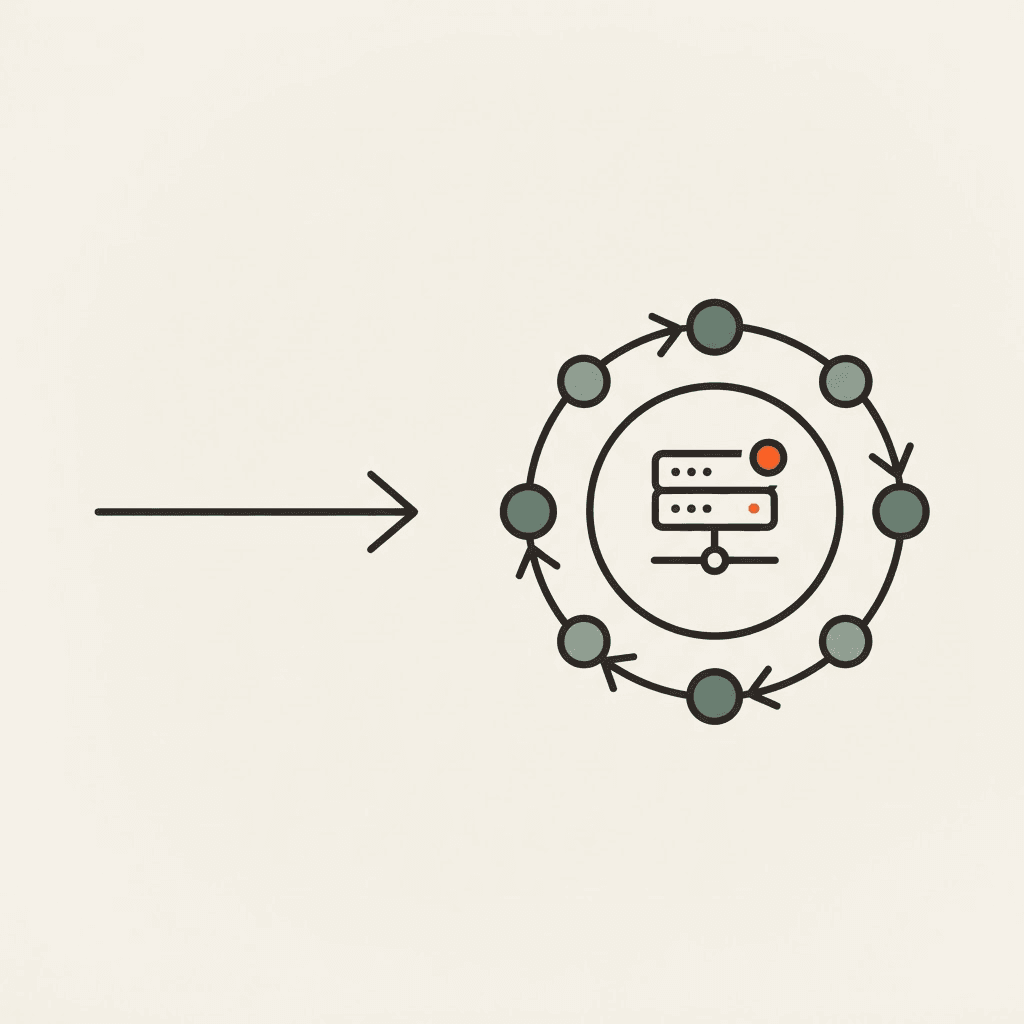
Everyone is building agents that do one thing well.
Summarize an alert. Query logs. Generate an incident summary. Draft a ticket.
Useful? Yes. Sufficient? Not even close.
A real production incident is not a question. It is a workflow. Detect, investigate, coordinate, escalate, page, update the record, monitor the discussion, watch the remediation, confirm recovery. Each step creates context the next one needs. Miss a step and the incident stays open.
One-shot agents complete one link in that chain. The rest falls back to your engineers at 2am.
That is the problem the Production Ops Agent from NeuBird AI was built to solve.
Why Do One-Shot Agents Fail in Production?
The failure mode is predictable. An alert fires. The agent investigates and surfaces a probable root cause. Then the workflow stalls.
Someone still has to decide who to pull in. Someone still has to page the right team. Someone still has to open and update the ITSM ticket. Someone still has to read the Slack thread to understand what engineers are hypothesizing. Someone still has to watch the dashboards after the fix goes out and confirm the system has actually recovered.
The agent answered the question. Your team still owns the incident.
That is not a tooling problem. It is an architectural one. One-shot agents are designed around isolated task completion. Production operations is not a collection of isolated tasks. It is a living workflow where context compounds and decisions cascade.
What Does a Workflow-Aware Production Agent Look Like?
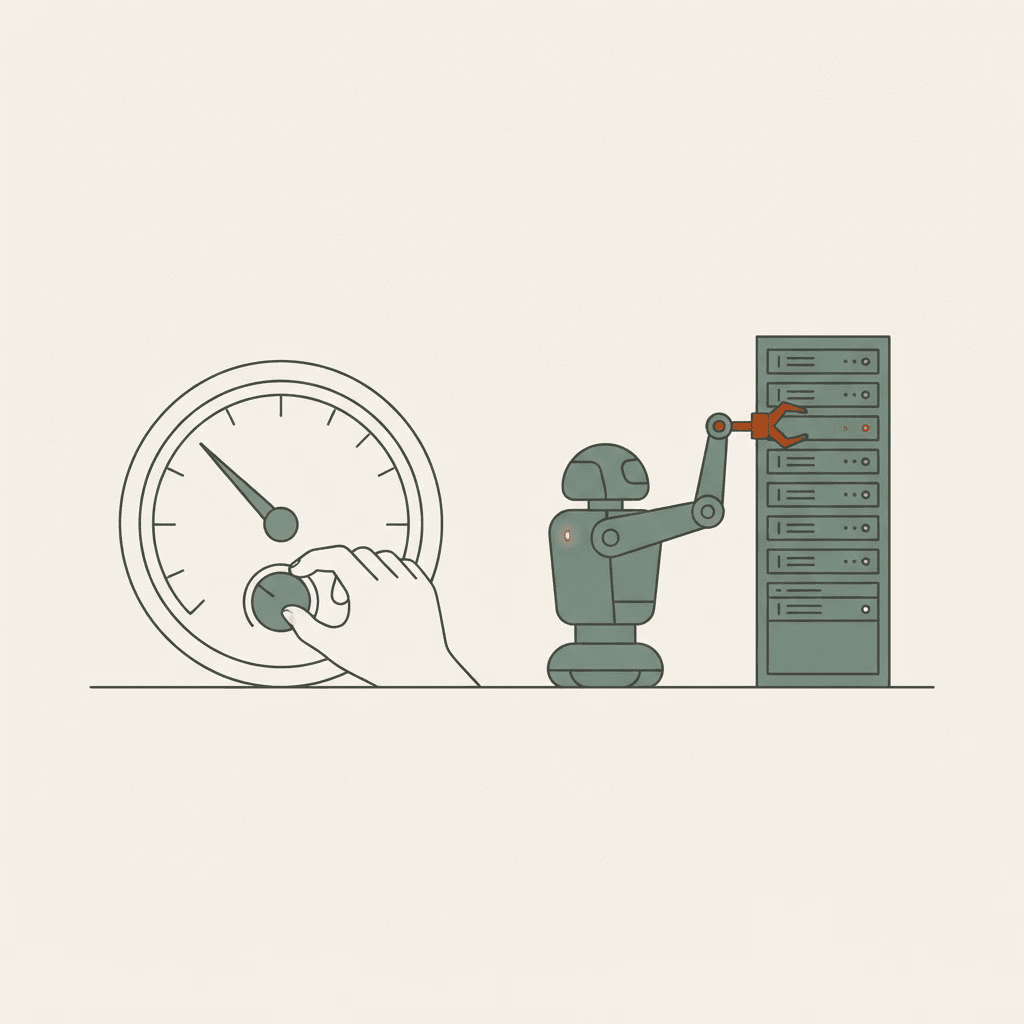
The Production Ops Agent coordinates specialized agentic personas across the full incident lifecycle, not just the investigation step.
The Investigator correlates telemetry, topology, recent changes, and operational history across your stack. Root cause, 94% accuracy, live in your environment in minutes.
The On-Call Agent identifies who needs to be involved based on service ownership and the scope of impact. It surfaces the right engineers at the right moment, not after twenty minutes of Slack pings.
The Paging Agent decides when human interruption is actually warranted. Not every alert deserves a page. Better judgment here is a direct line to reducing burnout.
The ITSM Agent keeps the system of record current: tickets created, fields updated, change records captured, without waiting for an engineer to catch up in the middle of a firefight.
The Discussion Watcher monitors Slack and incident threads in real time. When someone mentions a recent deploy or flags a downstream failure, the agent captures it and updates the incident context. The conversation is part of the system.
The Remediation Watcher stays on after the fix ships. Production systems can look like they are recovering before they are. This agent watches until the signals confirm it is done.
Together, they run the workflow. Not just the investigation.
Why Is Workflow Context the Real Moat?
Agents can call tools. That is not the hard part.
The hard part is knowing which alerts matter, which services are related, which team owns the failing component, which runbook applies, and which signal actually proves recovery.
That context spans telemetry, topology, tickets, chat, runbooks, past RCAs, change history, and service ownership. The Production Ops Agent is built around it: read-only by design, no data stored, full audit trail under SOC 2 Type II controls.
Context is what makes autonomous incident response trustworthy in enterprise production. Agents without it are answering prompts. Agents with it are running operations.
The Job Is Not Done Until Production Is Back
For years, production operations has been reactive. Alert fires. Engineer gets paged. War room forms. Everyone searches in parallel and hopes someone finds it first.
That model does not scale. Modern environments change too quickly and span too many interconnected services for humans to manually stitch together under pressure at any hour.
The next generation is not a faster chatbot for incidents. It is autonomous production operations: an agent that investigates, coordinates, pages, manages the record, watches the fix, and confirms recovery before anyone has to ask.
Your agent investigated. That is one step.
The Production Ops Agent finishes the job.